


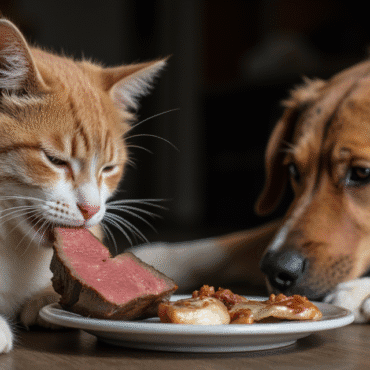
“Human” Foods For Pets
Hi everyone, and thanks for joining me on this episode of Val Talk’s Pets. I was thinking the other day, why do we separate food for our pets as their […]
 play_arrow
Diabetes in Dogs: Symptoms, Insulin, Diet & Care Val Cairney

Hi everyone and welcome to this first episode of Val Talk’s Pets 2026. I hope everyone had a wonderful holiday and the fur kids had a safe, great time. To start off this year, I’m going to tackle the topic of diabetes in dogs.
The reason I wanted to take on this episode is for one, we get a lot of people talking about diabetes in their pets and are looking for alternative foods that will do relatively the same job as the food they get at the vet, but at a friendlier price point.
The other reason, is that my Rory has been having a fair bit of difficulty lately and one of the things I thought he may be diagnosed with, was diabetes. It turns out, it isn’t, but he does have significant renal issues but I am dealing with that. But, it did get me wondering about diabetes in pets.
This episode I will explore specifically diabetes in dogs. Diabetes in animals is the same pathology as in humans. The body can’t properly use or produce insulin, leading to high blood sugar or glucose levels.
According to PETMD.COM, symptoms of diabetes in dogs are “increased thirst, frequent urination, weight loss, and lethargy.”
Diabetes in dogs can be managed and a dog with diabetes can live a full and happy life.

There are two types of diabetes. The first is Type 1. Type 1 is known as insulin dependent just like in humans.
“This is the most common type to occur in dogs.” (PETMD.COM)
As PETMD.COM explains:
“In Type 1 diabetes, insulin-secreting cells in the pancreas are destroyed, causing an absolute lack of insulin.”
This damage to the pancreatic cells can occur due to autoimmune attacks to the pancreas or severe recurrent pancreatitis. These dogs will require lifetime insulin supplementation therapy made specifically for dogs, like Vetsulin.
Type II diabetes known as non-insulin-dependent diabetes is like Type II in humans. This form of diabetes is typically related to obesity but is very rare in dogs.
In Type II diabetes, the pancreas may produce less insulin, and the body’s cells respond poorly to the insulin that is secreted. This leads to less glucose entering the cells (and higher glucose in the blood). (PETMD.COM)
A dog that has Type 1 diabetes will as stated be insulin dependent. The cause is “most likely due to the immune system mistakenly attacking insulin-producing cells in the pancreas, leading to a total-or partial-loss of insulin secretion.”
This could be attributed to:

The list of breeds that are predisposed to diabetes is quite interesting. Are you ready?
Alaskan Malamute, Australian Terrier, Bichon Frise, Cairn Terrier, Keeshond, Labrador Retriever, Miniature Schnauzer, Miniature Dachshund, Norwegian Elkhound, Poodle, Pug, Samoyed, Siberian Husky, Tibetan Terrier and Yorkshire Terrier.
I found it interesting that a few miniature breeds were on the list, but not the standards. That makes me wonder if that during the downsizing of the breed by breeding smaller dogs to smaller dogs, something in the immune system has been compromised. Just wondering.
If it is suspected that a dog may have diabetes based on increased thirst, pee’ing more, wanting more food and possibly being lethargic, the vet will assess the dog but will have to do tests to determine if there are persistent high blood and urine glucose values.
Once the dog is diagnosed, the proper insulin with dose will be determined.
Insulin for dogs comes from the pancreas of either pigs or cows. Porcine-based insulin or bovine-based insulin.
“Since dog and pork insulin are essentially the same molecule, porcine-based insulins like Vetsulin are typically recommended for use in diabetic dogs.” (PETMD.COM)
Very small needles are used to inject the dog with the insulin subcutaneously, meaning under the skin, twice a day.
The dog will also have to be on a specific diet and the times for feeding and injection must be at the same times each day. The site where the dog is injected has to be moved around to prevent scar tissue from forming which will impede absorption.
Most pet parents with a diabetic dog learn how to inject the insulin. The dog’s levels are then routinely monitored.

A dog with diabetes needs:
Lower, complex carbs like peas or sweet potatoes are recommended, though they should be cooked and used sparingly due to starch content.
Foods to avoid include:
In theory it is possible to create this diet without going the vet food route. Raw has been suggested for dogs with diabetes by providing high protein, low carbs and stabilizing blood sugar.
Recommended proteins include:
Chicken apparently is not recommended. Turkey is high protein and low fat.
PRODOGRAW also suggests green vegetables and no carbohydrates.
Low glycemic vegetables include:
Freeze dried treats like PUREBITES are a good option. Single protein, low carb, low calorie.
Vet kibble can be quite expensive. Ingredients may also raise concerns.
Royal Canin diabetic food contains:
According to WEBMD.COM, tapioca starch has a high glycemic index and can spike blood sugar.
YUMWOOF NATURAL PET FOOD lists wheat as one of the top ingredients to avoid in diabetic dog food.

A dog with diabetes can’t just run excessively. Blood sugar can drop during exercise.
According to ALLISONMEDICAL.COM, exercise improves insulin sensitivity.
AKOVET.ORG suggests:
Swimming is highly recommended as a low-impact exercise.
AKOVET.ORG recommends carrying:
Symptoms of hypoglycemia according to PETMD.COM include:
Monitoring before, during and after exercise is key.
Many dogs with diabetes can live years beyond diagnosis with proper management. Consistency is the biggest challenge.
Many pet parents report difficulty traveling due to insulin schedules. Options exist, including pet-friendly travel.
Your vet should be a partner who listens, answers questions, and explores options. If you feel rushed or dismissed, consider changing vets.
According to DOYLESTOWN VETERINARY HOSPITAL AND HOLISTIC PET CARE, helpful supplements may include:
Consult a holistic veterinarian before adding supplements.
When managed properly, a dog with insulin-dependent diabetes can live a fulfilling life. Knowledge, routine, support, and tenacity are key.
As I always say: knowing is caring.

For more episodes like this, please check out my Pet Health episode library.

Hi everyone, and welcome to Val Talk’s Pets, the forum for pet parents and enthusiasts alike. So, I have been working in the pet industry now for almost 10 years and, on a daily basis, I handle a lot of issues and questions arising from pet parents. I am not a veterinarian but I do have certifications in Canine, Feline, Small Animal, Fish and Herptile and Avian Health and Nutrition from the University of California, Davis Extension, the Vet College.

Hi everyone, and thanks for joining me on this episode of Val Talk’s Pets. I was thinking the other day, why do we separate food for our pets as their […]


