Spotlight – The Border Terrier
Hi everyone, and thanks for joining me on this episode of Val Talk’s Pets. I’ve got a bit of a trend going here. In this episode, I am going to […]
 play_arrow
Spotlight on the Maltese Dog: A Charming Little Companion With a Big Heart Val Cairney
 play_arrow
Spotlight – The Bearded Dragon Val Cairney
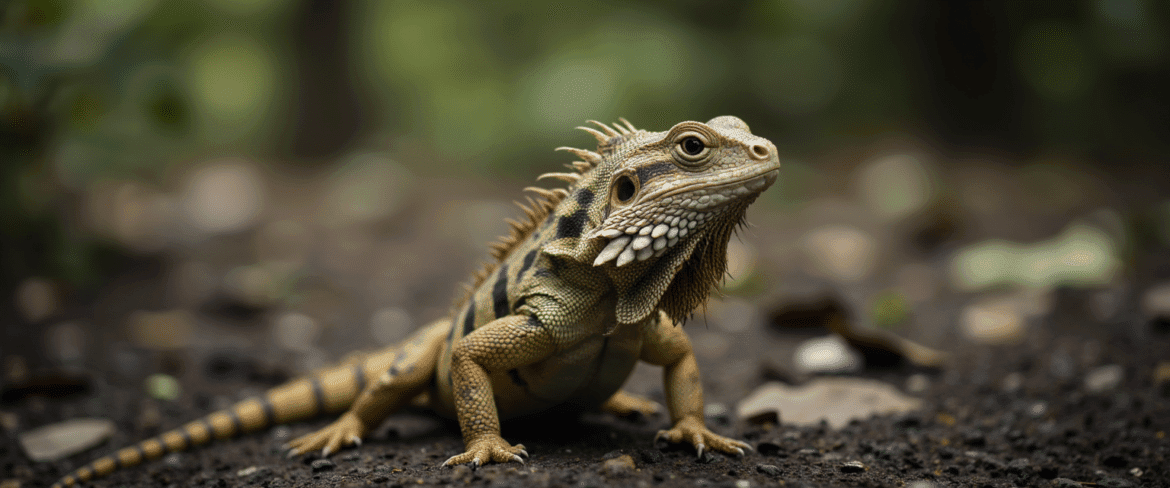
Hi everyone and thanks for joining me on this episode of Val Talk’s Pets. On this episode I’m going to spotlight one of the most popular reptile pets; the Bearded Dragon.
What is a Bearded Dragon?
When it comes to reptile pets one of the most popular is the Bearded Dragon. Interestingly, Bearded Dragons are a genus of reptiles called Pogana (puh-goh-na). This genus contains eight lizard species that are known by the more common name, bearded dragon.
Why Do They Have a “Beard”?
According to Wikipedia, the name refers to “the underside of the throat (or beard) of the lizard, which can turn black and become inflated for a number of reasons.” Unfortunately, the most common reason for the inflation is stress, but it can also be if the lizard feels threatened or are enticing a mate.
Behavior and Lifestyle
Bearded dragons are semiarboreal. This means, they are a species that divide their time between living in trees and on the ground. They apparently, like to spend a fair bit of time on branches, in bushes or near human habitation.
Daily Activity (Diurnal Nature)
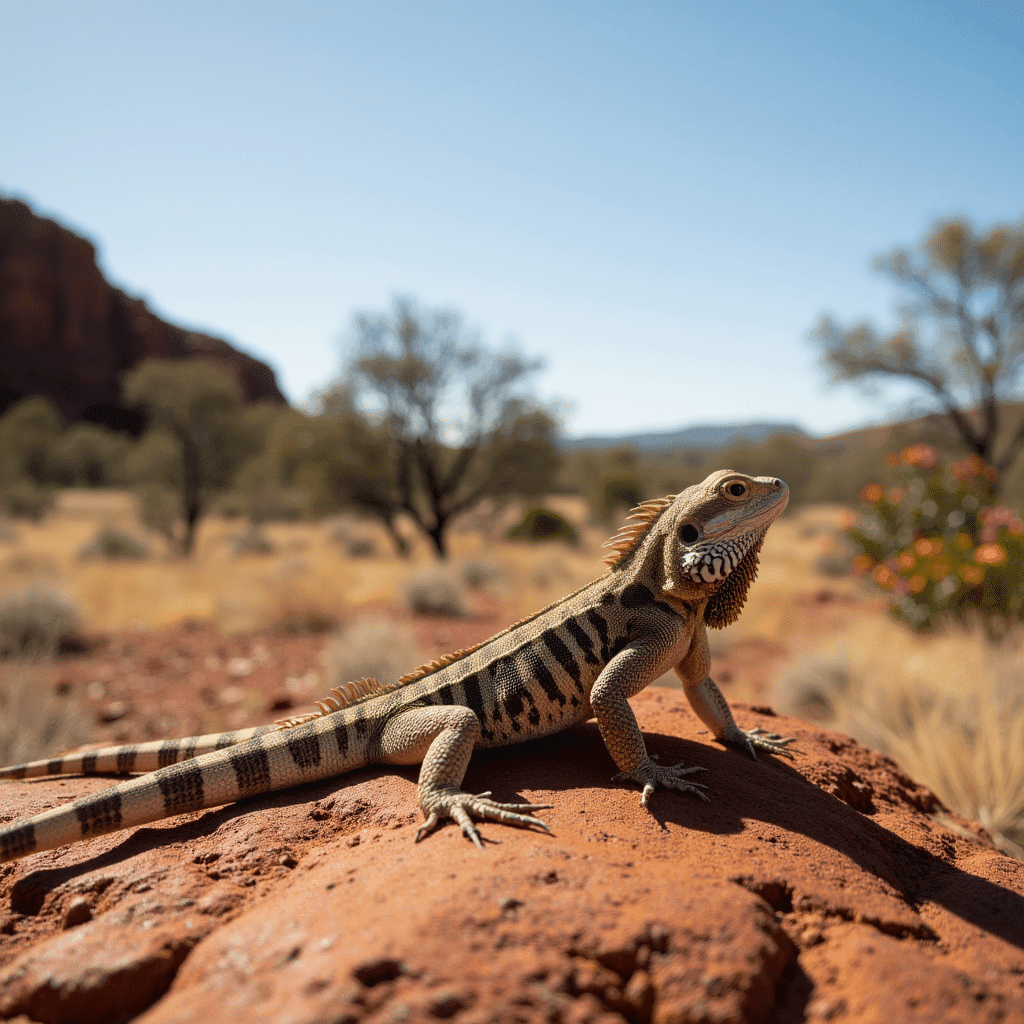
Being diurnal, meaning they are active during the day and sleep or rest at night, they like to sunbath in the morning and afternoon.
Native Habitat
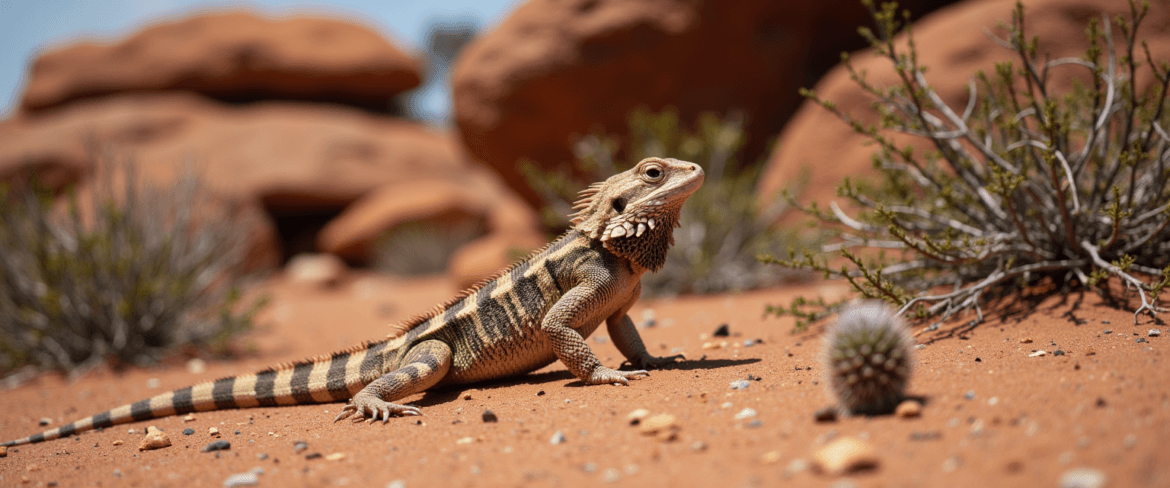
Sun is not a problem for bearded dragons in their native habitat, as they are indigenous to Australia, specifically desserts, woodland and shrublands. In their native land they love the warm and dry climate, but Australia experiences winter as well with a drop in temperatures.
Brumation Explained
Dragons will then go into what is called “brumate or brumation.” This is a winter-dormancy that reptiles will go into allowing them to conserve energy as temperatures drop. This state can be anywhere from 2 to 4 months.
Behavior During Brumation
The reptile will wake up to drink water, but generally they are sluggish and stop eating.
Key Features
So, what does a bearded dragon look like besides from the well-known beard? According to Wiki’s description, “Bearded dragons are characterized by their broad, triangular heads, flattened bodies, and rows and clusters of spiny scales covering their entire bodies.”
Color and Morph Variations
Some even have the slight ability to change colour in response to certain stimuli.
“Bearded dragons occur in a variety of colours including browns and black and morphs and can range from being all dark to completely white under controlled breeding conditions. Males grow up to 60cm or 24 inches long, and females up to 51 cm or 20 inches.
Species in Captivity
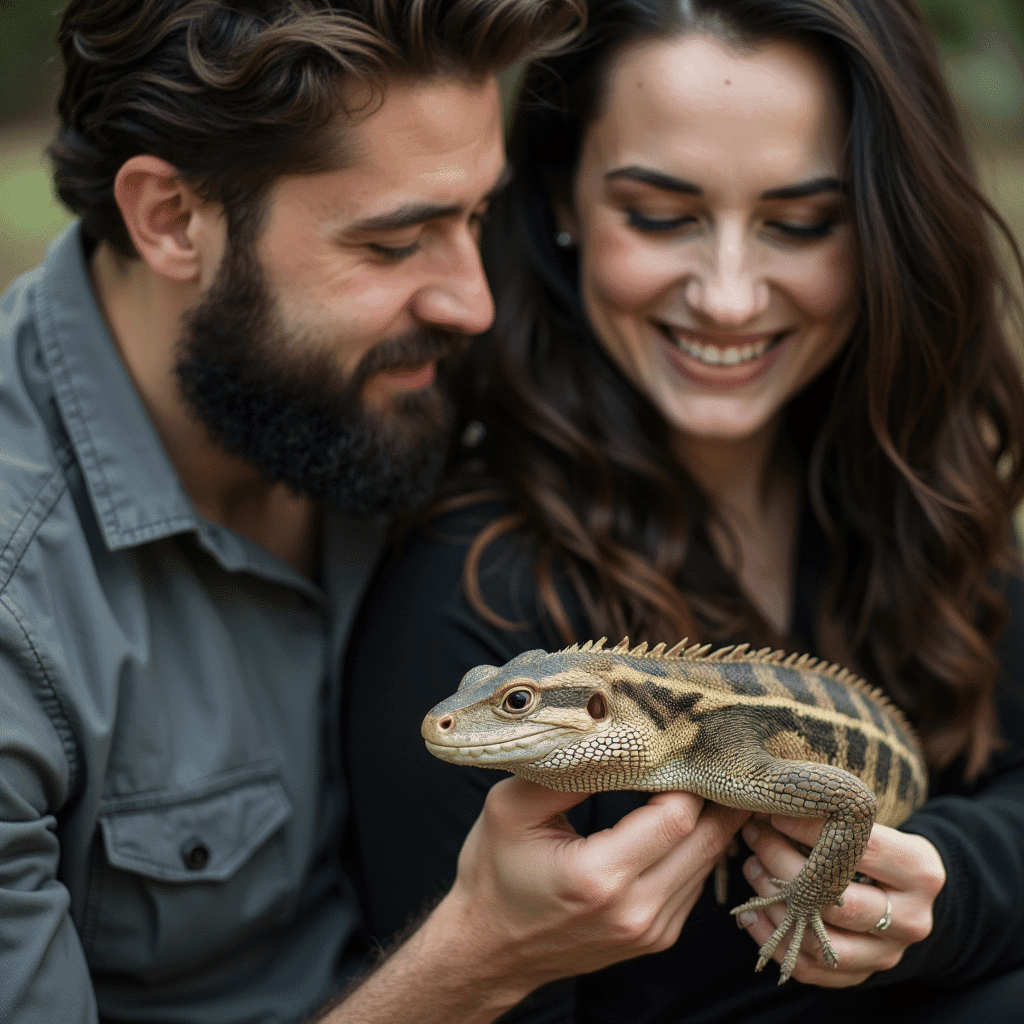
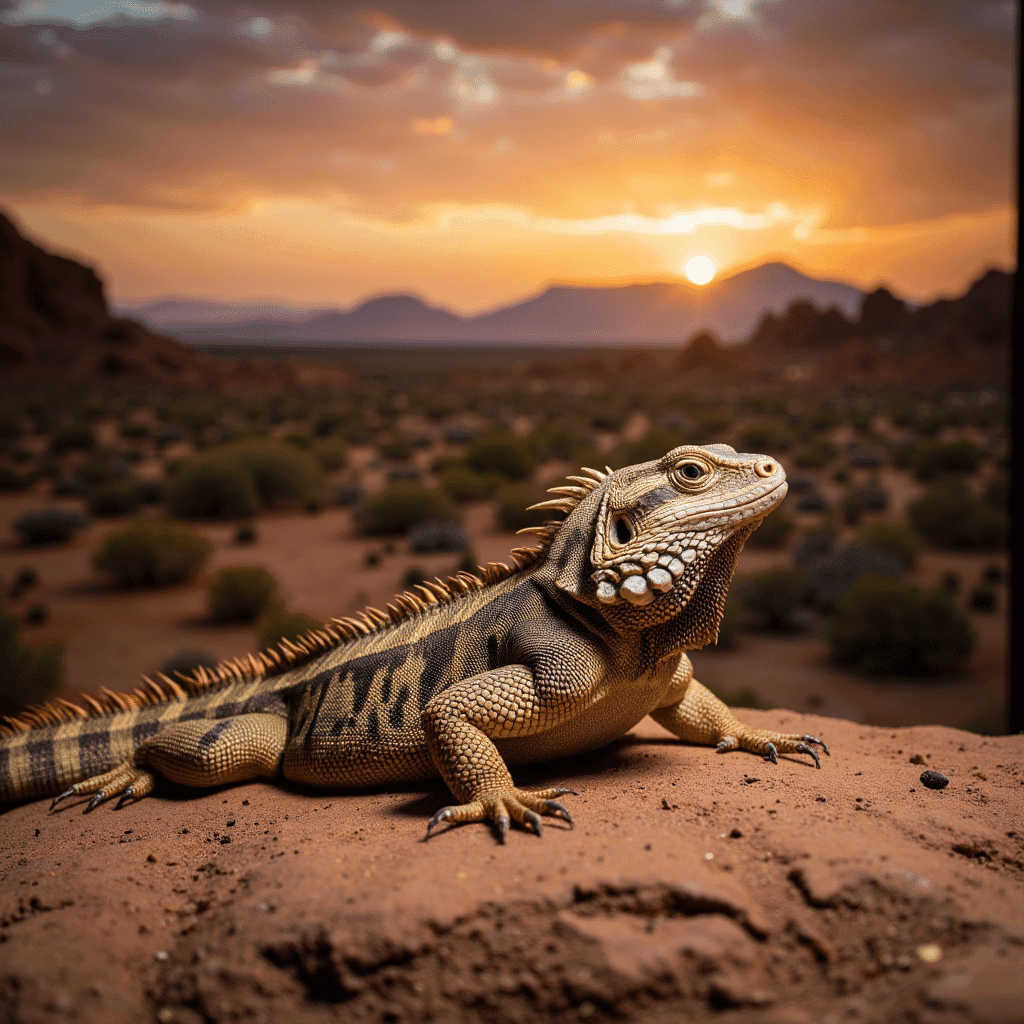
Let’s look now at how they became pets. Pogona’s being the genus, has the central bearded dragon as the most common species in captivity.
There is another species a bit smaller called the Pogona henrylawsoni that some may have if space is more of an issue.
Introduction to the Pet Trade
There is an interesting timeline with the introduction of dragons to pet status. The Bearded Dragon was introduced to the U.S. as a pet in the 1990’s. Australia banned the sale of wildlife including bearded dragons back in the 1960’s.
How They Reached North America
This makes you wonder how the reptiles were introduced to the United States in the 1990’s? It is believed that breeding began in the early to mid-1980’s and largely developed from stock smuggled out of Australia between 1974 and 1990.
It looks like the first dragons coming into the states came from Germany in the early 1980’s. Then commercial breeding took off and the development of what is called “morphs”.
What Are Morphs?
Morphs are different versions of the central bearded dragon. “They have a few main genetic traits, including “hypomelanism” and “translucent”, which refer to traits physically displayed by the dragon.” (Wikipedia)
Choosing a Reputable Breeder
Today, to acquire a bearded dragon you would need to research reputable breeders. I can’t stress this enough.
We all know there are disreputable people that prey on any trend to make money. Even thinking of buying from a per store is questionable. Where did the store get the reptiles? How were they bred and what conditions were the babies born into?
Why Proper Breeding Matters
Proper reputable breeders ensure the dragon’s health and will also vet new owners to make sure the dragon is going into a home that has the proper set up and the new parent is comfortable and schooled in the proper care and handling of the reptile.
Having a reptile is not like having a dog or cat. There are some very specific feeding and habitation requirements that one must know. A proper breeder will ensure that the person they are selling to knows what to expect. (We hope!)
Rescue and Rehoming Options
Other ways to acquire a bearded dragon are through rescue organizations. Rescues for dragons will also make sure that the dragon is cared for properly and can be less expensive than a breeder.
People often get pets, and in this case a reptile that they have no idea how to care for and find that it is more of a task than they thought and then reach out to a rescue to take the reptile. (Again hopefully)
Also, some people are looking to rehome their dragon for various reasons and they may offer the whole kit and kaboodle of supplies to go with the dragon.
Health Checks Before Adoption
The most important thing is to observe the dragon and make sure it looks healthy and does not have sunken eyes or a crusty nose or seems lethargic.
Enclosure Requirements
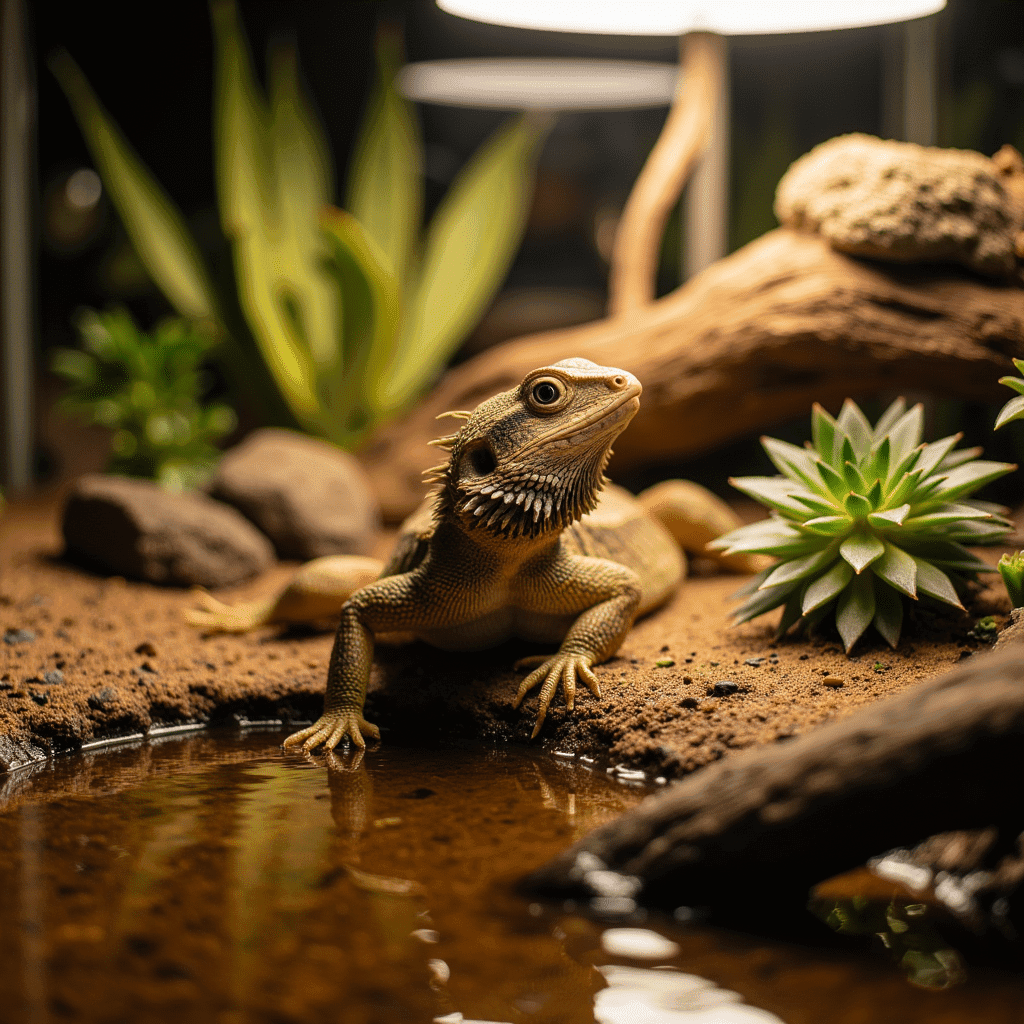
When setting up for a bearded dragon there are some very specific things you will need, to house the dragon properly. The essential habitat requirements as set out by Ellie’s Reptiles are as follows:
For the enclosure you will need at least a 75-to-120-gallon tank, measuring 48 x 24 x 24 in inches.
Temperature Gradient
You will need temperature gradient. This is temperature change as it varies over space. A hot basking spot of 100 – 105 degrees F (38 – 40 degrees C) with a cool side of 75 – 85 degrees F or 24 – 29 degrees C.
Remember the bearded dragon is used to sunning in hot dessert sun, mornings and afternoons and then snoozing in the evening’s cooler temperatures.
Lighting Requirements
Lighting is required with a high-output of 10.0 or 12.0 linear UVB tube essential to prevent metabolic bone disease, replaced every 6 – 12 months.
Substrate Options
You will then need substrate, a foundational layer. Options include a mix of sand and topsoil or Excavator Clay which allows for natural burrowing.
And it is not recommended to use silica or beach sand due to high risks of impaction, eye irritation and bacteria. There is actually quite a debate as to what is the best substrate to use, so I would suggest going on bearded dragon forums and reputable breeder information to get a full picture of what to get.
Ideal Humidity Levels
In terms of humidity, you will need to keep levels low, to avoid respiratory infections and to ensure proper shedding of the skin.
You will need to maintain a primarily dry, arid environment with a relative humidity of (RH) of 30 to 50 % with higher levels up to 60 – 70 % acceptable during nighttime hours or in specific, well-ventilated areas.
In most cases, maintaining correct temperatures-specifically a hot basking spot – is sufficient to keep humidity within a safe range. It is still recommended to use a digital hygrometer placed at the cool end of the enclosure.
If Humidity is Too High
If the humidity is too high, you will need to increase the ventilation by opening vents or use a small fan to increase air circulation.
The water bowl should be moved to the cool side to reduce evaporation. Avoid moisture-retaining substrate.
You can also place a sock of dry rice or baking soda inside the tank to absorb moisture. A dehumidifier in the room can also be helpful. And remove non-arid plants.
If Humidity is Too Low
If the humidity is low, meaning the air is too dry, move the water dish to the warm side.
Mist the tank lightly once a day. Place a hide with damp moss or paper towels on the warms side to provide a spot for shedding.
And if it is extremely dry partially cover a portion of the screen top.
Natural Environment Replication
Now that we have the habitat set up, what kind of things should we put in it besides the basics?
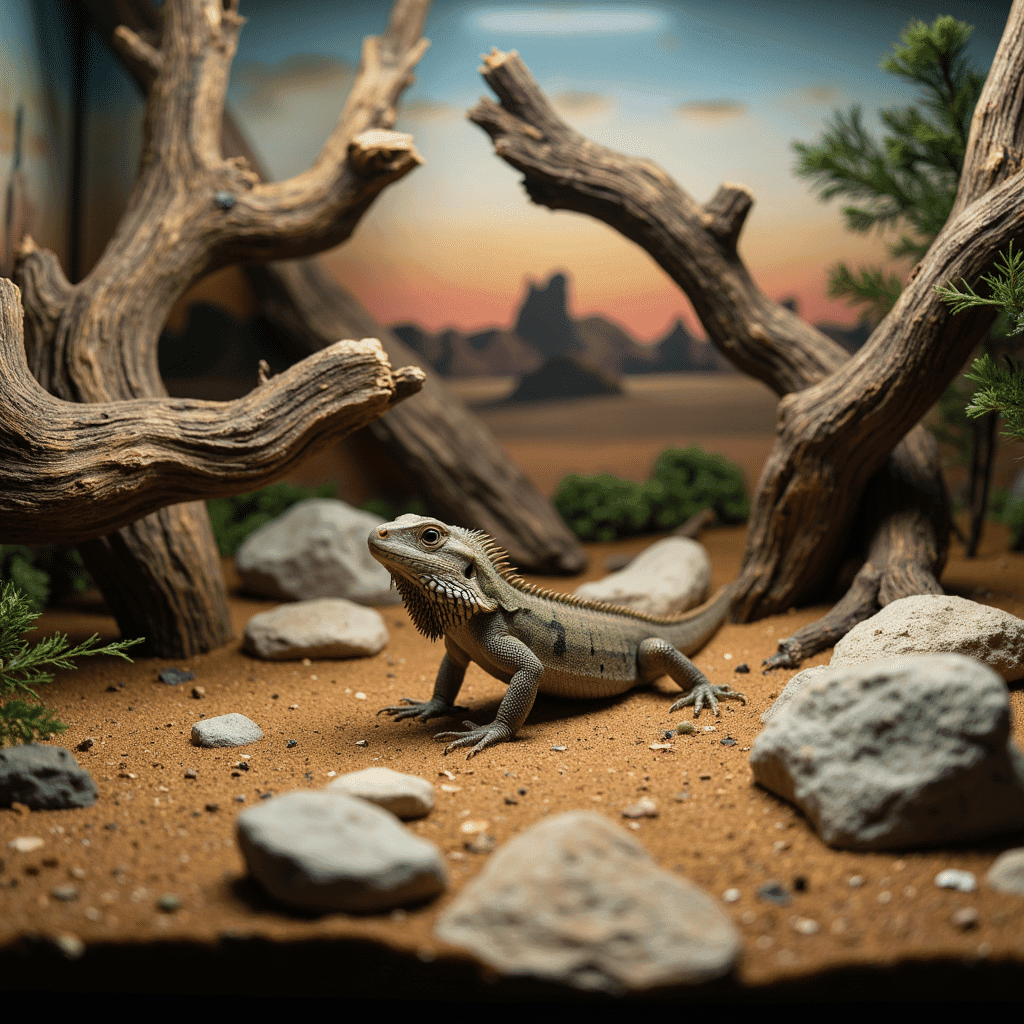
It is best to remember the natural habitat of the bearded dragon. Having logs or branches and rocks for climbing and basking are needed.
Hides and Safety
They will also need two “hides”. These are places the dragon can go to on both sides of the tank, cool and warm to feel secure and regulate their temperature.
And make sure everything is secure so there are no accidents.
Diet Type
Now we have to feed our dragon.
First off, a bearded dragon is classified as an omnivore. This means that the dragon will consume both plants and animals to obtain energy and nutrients.
Insects and Live Feeding
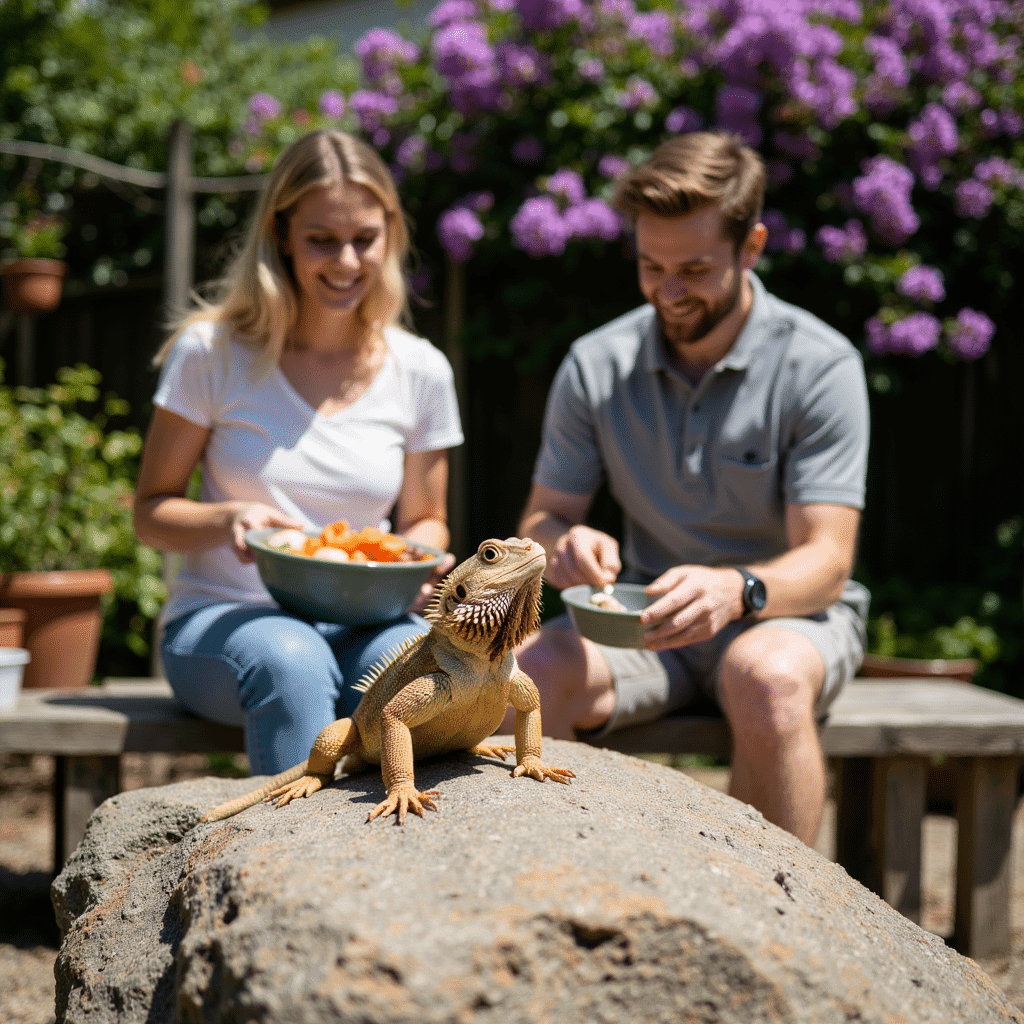
Bearded dragons love to eat bugs, in particular, live bugs. The idea is to choose a main feeder bug and then feed other bugs. Bug choices range from crickets, roaches and worms.
Vegetables and Variety
They also like an abundance of vegetables. There is a huge list of vegetables that can be accessed on line as well as a few that should not be fed and the same goes for fruit.
Supplements
The other thing is to think about supplements. Calcium is the most important followed by Vitamin D3 and Multivitamins.
There are also protocols specifically for feeding a baby dragon and a juvenile and an adult.
Pros
In terms of temperament, bearded dragons are pretty relaxed. They like to climb but they are not rambunctious. If you hold them, they usually stay still. Generally, they do not bite, scratch or slap you with their tail.
They have a cute ability to wave their front legs.
They are (as described in this article) neat and can impress people.
Cons
They can grow very big, like up to 2 feet long. They require an aquarium habitat that is at least six feet long.
They are a fairly significant financial responsibility. From habitat to feeding, it adds up.
Their upkeep is also significant. Food, lights, heaters, cleaning, it is a commitment.
Personality and Interaction
Okay. Those are some of the pros and cons. But what is the appeal?
Well, it appears that they are known to be affectionate and like hanging around with their pet parent. They have a very calm nature.
Many owners of bearded dragons say their personalities are quite distinct and entertaining.
Lifestyle Benefits
They are a hypoallergenic pet that is quiet.
They are active during the day and have cute mannerisms. They also are long-term as they can live 10 to 15 years.

Commitment and Responsibility
It sounds to me like the appeal is mostly in the fact that the bearded dragon is a quiet pet but also interactive and affectionate. It also has the benefit of being hypoallergenic.
There is definitely a specific learning curve for their care. Not knowing how to have a proper habitat and feeding and caring, could result in a very sick dragon and one that may succumb to poor care.
You also need a fair bit of room for the habitat required. This is also an animal that lives 10 to 15 years.
So, like rabbits for example, parents get this pet because the child really wants it, but the child out grows the pet as they go off to school and adventures and it’s the parents left caring for it. If you are not prepared for that, I would strongly suggest not getting this pet.
Pet Ownership Motivations
There are also two things that I found that I would say, put me off for having this kind of pet.
First, I found the words novel and impress a few times while researching. I don’t like the idea of getting a pet for the reason that it’s fun to say you have a bearded dragon or to draw attention to yourself.
It’s like the fact that this animal is a living, breathing pet that requires care and attention is all in one’s possession for the novelty of it or to impress people. Do you really care about this creature or are you just trying to use it for bragging or attention drawing?
Feeding Ethics
The other thing I found off putting was in the feeding. Bearded dragons like bugs, live bugs.
In one piece of research they said the words, “so if you enjoy watching a good chase, feeding time will be fun.” What?? I don’t think the bug thinks that way. Is this the roman forum?
I seriously question someone who takes delight in watching a defenceless creature battle for its life. I get that the dragon in the wild would-be catching insects. The food chain is evident. But, at least the bug has the chance of getting away.
I’m not saying I don’t understand the need to feed the dragon what it thrives upon best, I just don’t think that is something in the pro column, to achieve delight and fun by watching a poor creature fight for its life with no option for escape. That’s my opinion anyways.
Making an Informed Decision
I think if you want to have a bearded dragon, you need to be very realistic. Space, time, money, life commitment, all need to be realistically considered.
Personally, I’m never a fan of taking animals that thrive in the wild in the open air being put in a confined space, bred in captivity or not. I would much rather see a wild bearded dragon basking on a tree branch in Australia than see one in an aquarium tank in someone’s living-room. That’s just me.
Responsible Ownership
I know that there are many bearded dragon parents that love their dragons to pieces. And that’s a good thing. If you want one, you have to love it and give it the best care possible.
It relies 100% on you. That’s why it is very important to do the research, because as I say, knowing is caring.

Hi everyone, and welcome to Val Talk’s Pets, the forum for pet parents and enthusiasts alike. So, I have been working in the pet industry now for almost 10 years and, on a daily basis, I handle a lot of issues and questions arising from pet parents. I am not a veterinarian but I do have certifications in Canine, Feline, Small Animal, Fish and Herptile and Avian Health and Nutrition from the University of California, Davis Extension, the Vet College.

Hi everyone, and thanks for joining me on this episode of Val Talk’s Pets. I’ve got a bit of a trend going here. In this episode, I am going to […]