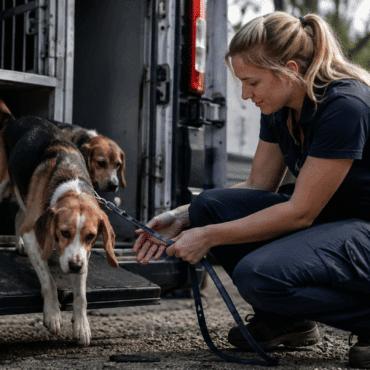
The Ridglan Beagles Rescue
Introduction Hi everyone and thanks for joining me on this episode of Val Talk’s Pets. In the news just recently has been the rescue of 1500 Beagles from Ridglan Farms. […]
 play_arrow
Spotlight on the Maltese Dog: A Charming Little Companion With a Big Heart Val Cairney
 play_arrow
Pet Trivia 3.0 – Test Your Pet Knowledge with Dogs, Cats, Birds, Fish & More Val Cairney
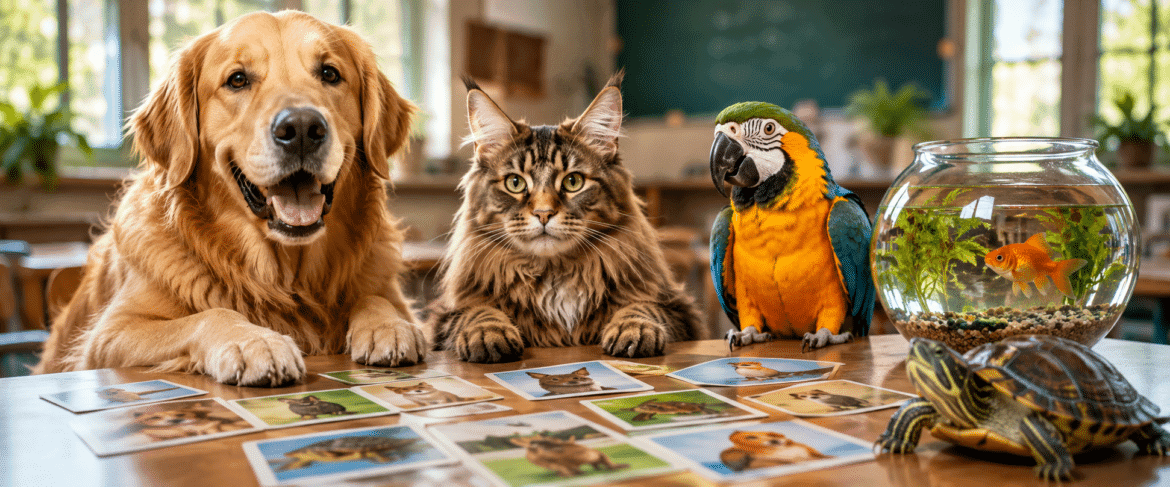
Hi everyone and thanks for joining me on this episode of Val Talk’s Pets. It’s time to test our knowledge again with Pet Trivia 3.0.
So, get yourself a score card and let’s see how you do. Ready?

Here is the answer.
One of the easiest and cost friendly products you can use is Dandelion. Dandelion has many great properties and is a super food. It has a great ability to help with inflammation therefore helping with any allergy flair ups. The best part is that it will work with any allergy. So, food or environmental allergies can be helped with Dandelion.
You can give dandelions by chopping up the leaves and putting it in food, but what I do is, I make tea. In spring I pick as many dandelions as I can making sure they haven’t been pee’d on and if you do pick dandelions make sure no pesticides have been used as well. After washing, I use the tops and cut them into a tea infuser. I brew it for a long time and then keep it in a container in the fridge. If I’ve made quite a bit, I freeze it.
I also freeze the dandelions in a bag when I’ve picked quite a bit. In the winter I buy Dandelion tea at the natural health store and do the same. You can also buy powdered Dandelion. Blends for Life does a powdered Dandelion. Now, I’m not saying this is going to be a miracle cure, but it is worth a try and youre pet could respond to it very well.
The other product, see if you got this one, is Bee Pollen. Did you get that?
Bee Pollen is great for seasonal allergies. Like Dandelion it is rich in antioxidants and has anti-inflammatory properties. Bee Pollen is a natural substance that is collected by bees from flowers. It too can be called a super food.
Dogs that suffer from seasonal allergies may find a reduction in itching, skin irritation and have an improved immune response. It is usually a good idea to start small with the doses of bee pollen and there are lots of directions online for proper dosing, so administering should be easy. If this works instead of going down the Apoquel rabbit hole, it is very worth it.
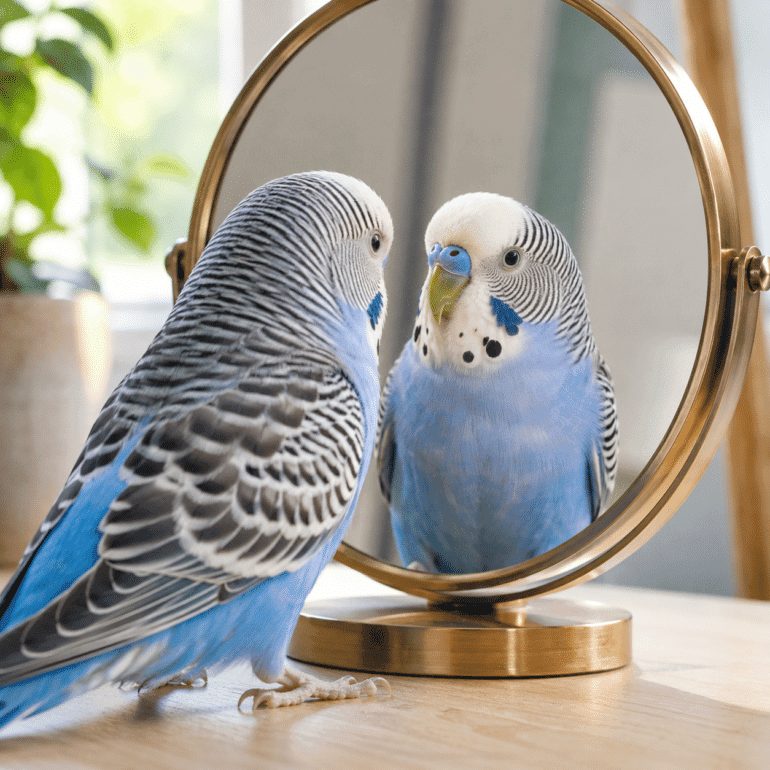
Well, the answer is, yes, but not all.
“Only a handful of animals, including dolphins, elephants and great apes have demonstrated the ability to recognize themselves in mirrors. Some birds, such as magpies and parrots also possess this ability, which is considered a sign of self-awareness.” A budgie for example, cannot recognize itself in a mirror. When they chitter at themselves when they are looking in a mirror, it is because they think it is another budgie.
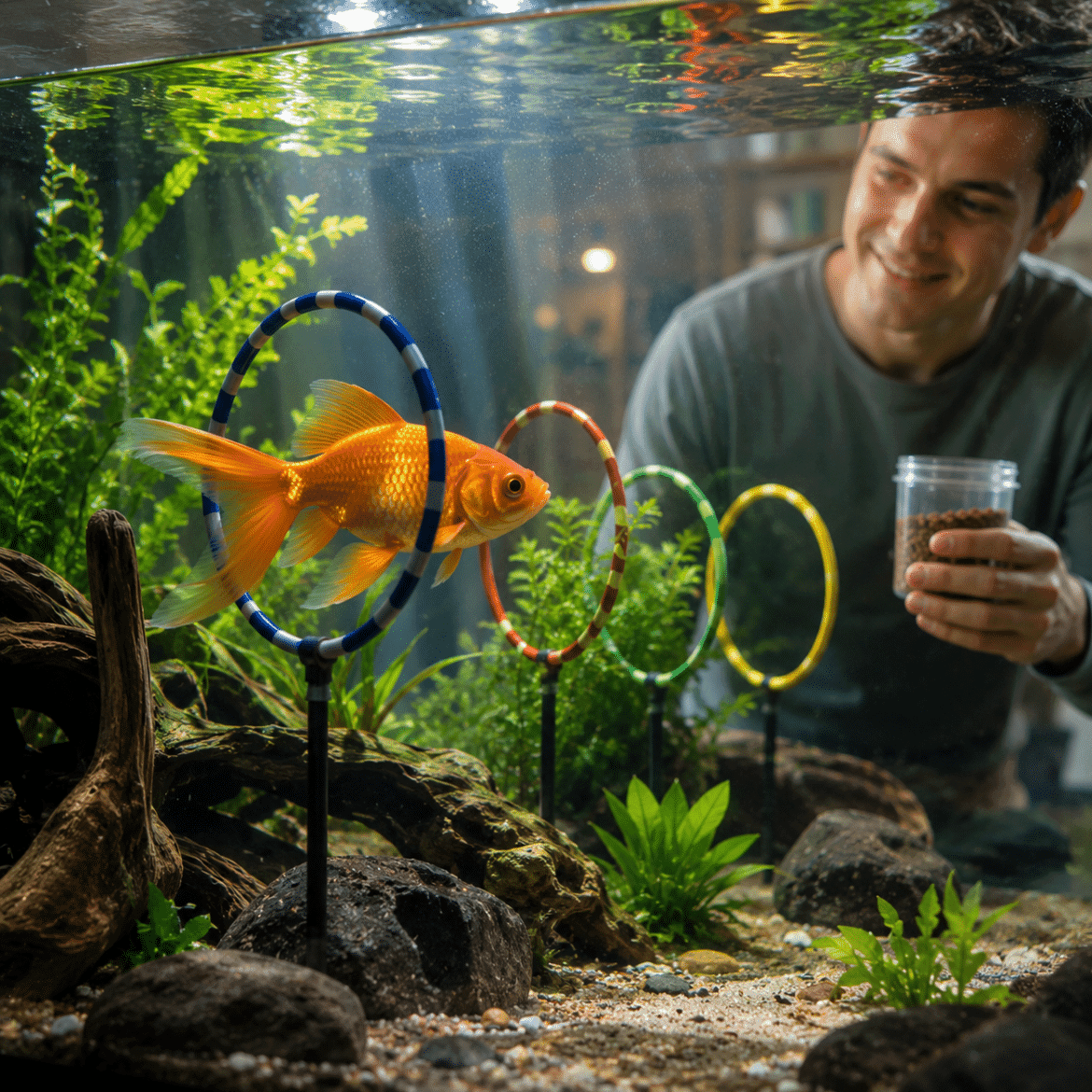
The answer is, they do.
A goldfish for example, “can remember things for months or even years. They can recognize their owners, learn routines, and even navigate complex mazes. Studies have shown that fish can remember the location of food sources, avoid predators and recognize other fish.” With this in mind, maybe getting a bigger tank and some toys for your goldfish would make them very happy especially since they can learn to recognize you.
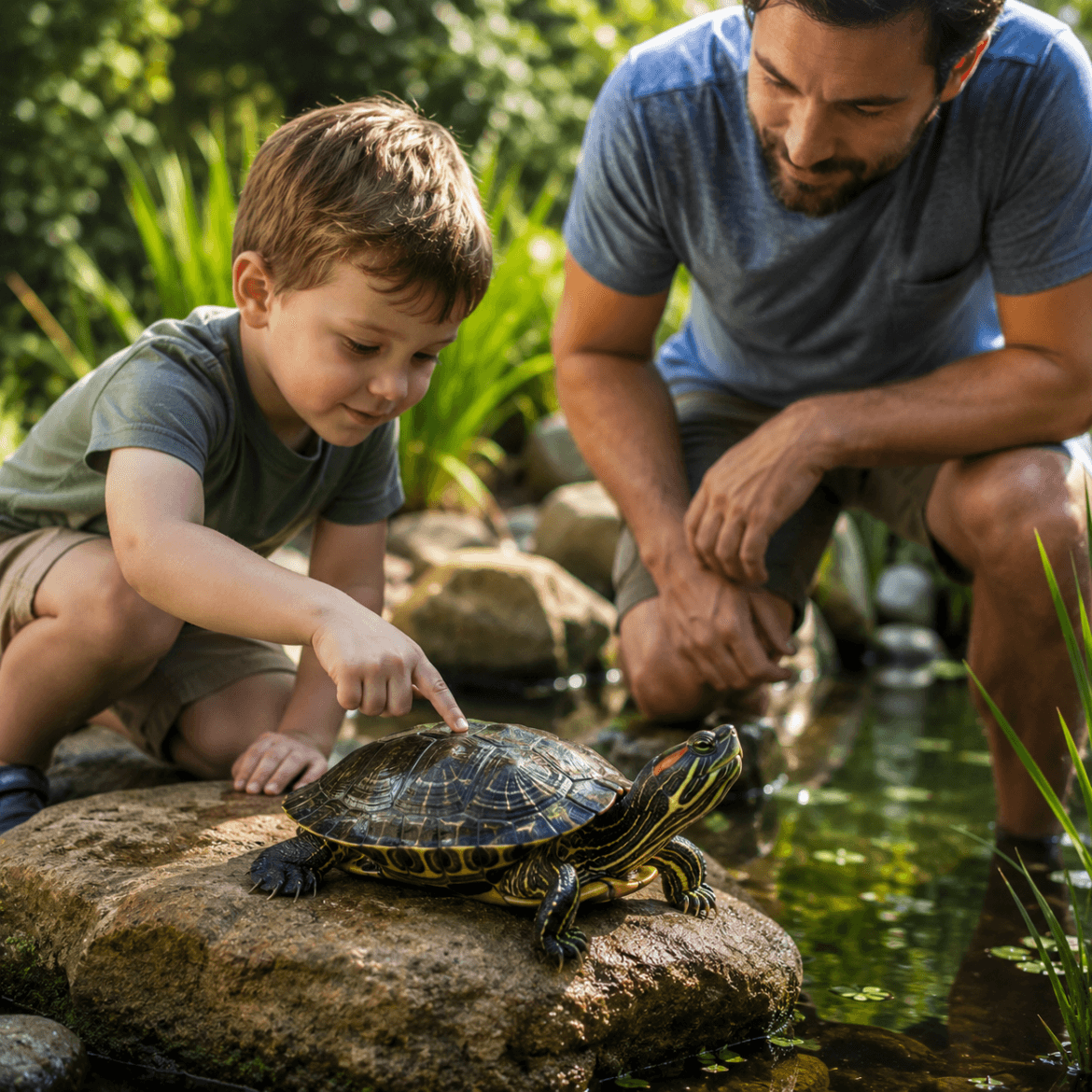
The answer is, yes, they can!
A turtle shell “is a living part of their body. The shell is made up of bones and nerve endings, which means turtles can feel touch and pressure through their shells. This sensitivity is important for their survival as it helps them detect predators and navigate their environment. Turtles also use their shells for protection, temperature regulation and even communication.” Well, that means that our turtle pals need to be handled a lot more gently and definitely no painting!
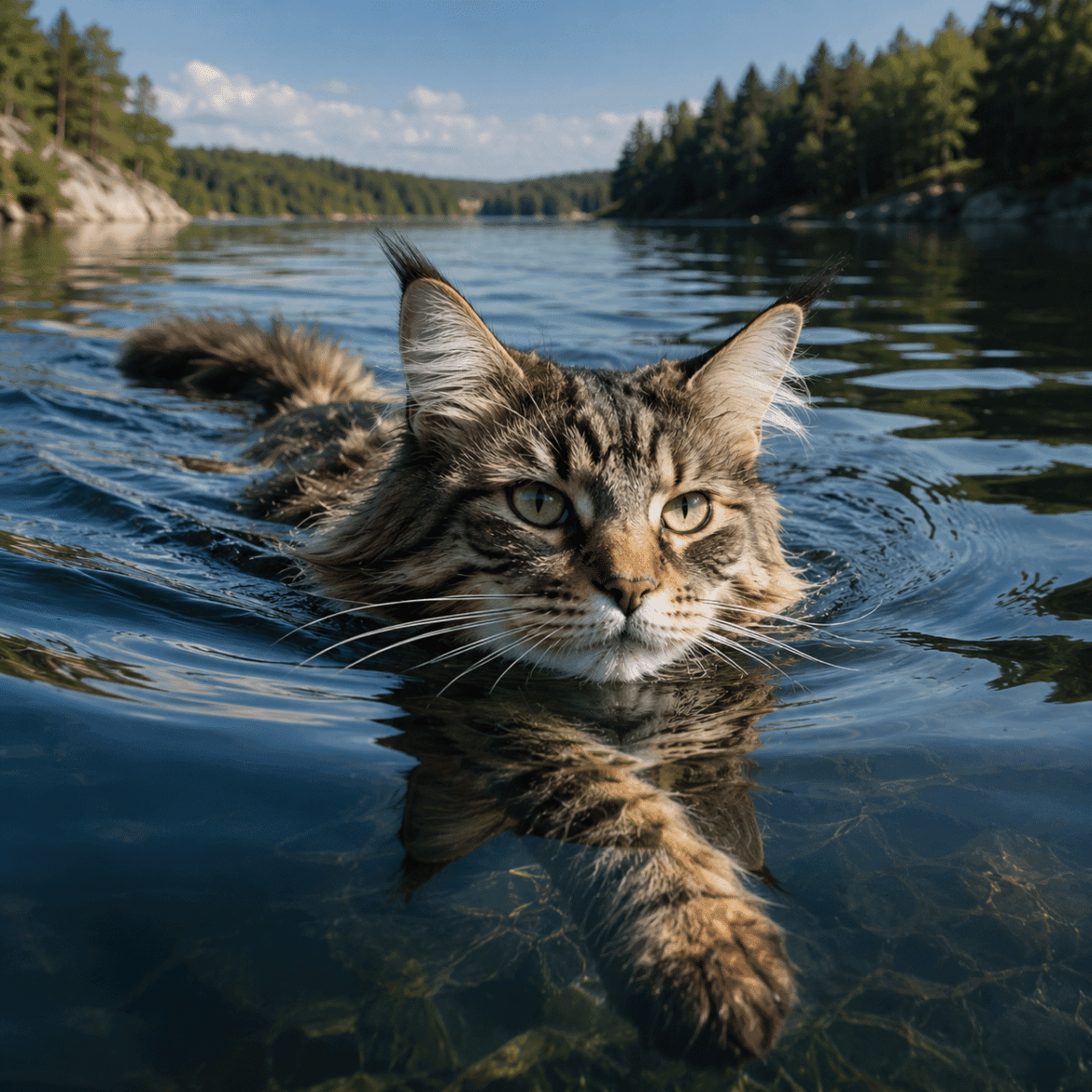
The answer is that cats do instinctively know how to swim like dogs do.
If they end up in deep water, they will initiate the “dog paddle” or should we say cat paddle to swim to safety. The only cats that I have heard of that seek out swimming are the Maine Coon, Bengal and Turkish Van. I would love to know how many Main Coon and Bengal owners say their cats love to swim.
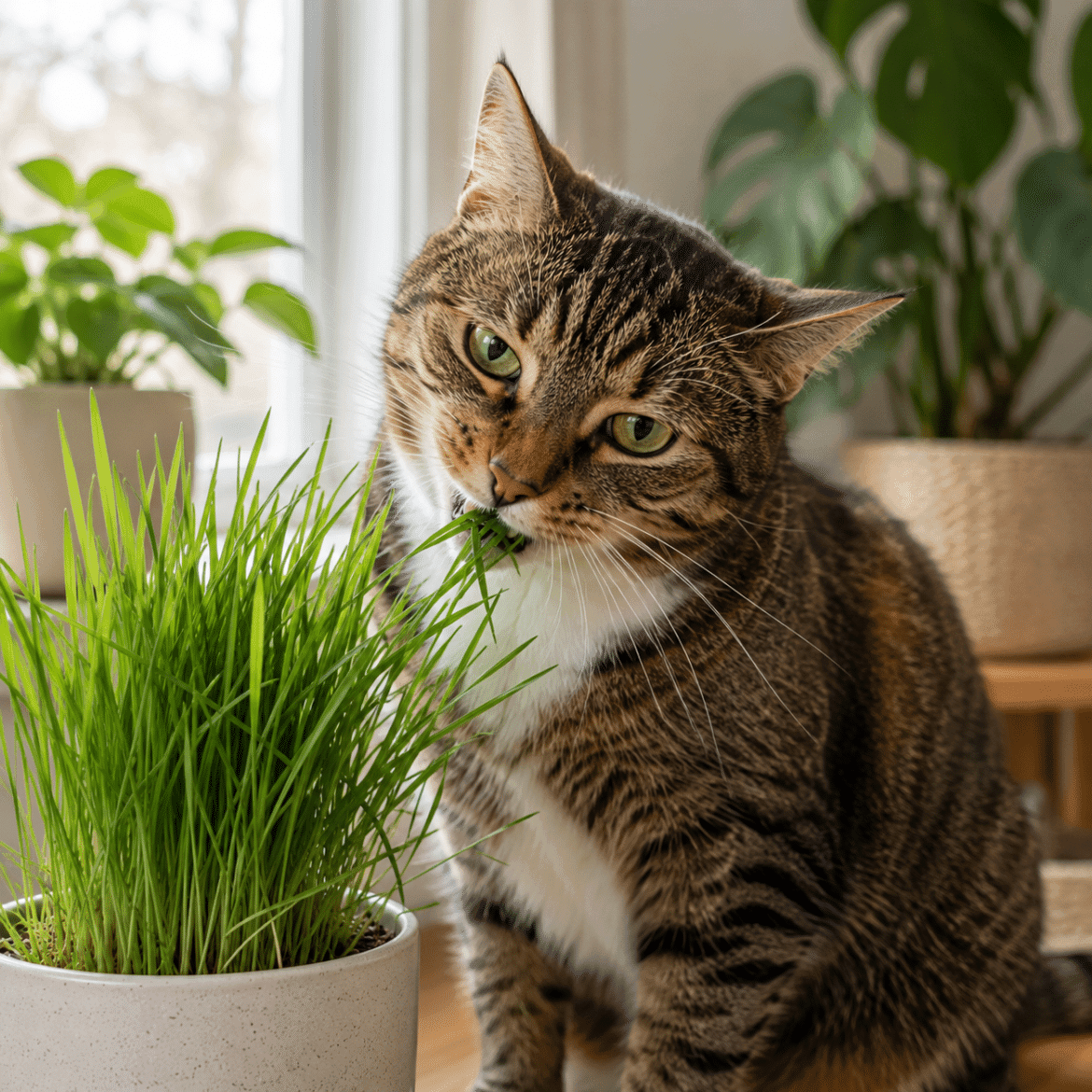
In both cases cats may be eating grass or houseplants because they are trying to clear hairballs. Sometimes they feel the need to aid digestion with roughage or fibre to induce vomiting to clear a hairball. They may also eat grass or houseplants because it is an instinct inherited from those wild days. And sometimes cats are just bored so eating some grass outside is fun or eating a houseplant they saw moving in a breeze can relieve some of that boredom.

The answer is Lassie.
Lassie was actually portrayed by 9 different dogs. Female collies shed their coats a lot especially during heat cycles. So, to have Lassie always looking so beautiful with a full coat, male dogs were used to portray Lassie. If animals in TV and movies and their stories interests you, access my episode on Animals in the Arts movies and Animals in the Arts TV.

The answer to this is one to really know.
Dogs will often do excessively lip licking when they are stressed or feeling anxious. This is a very good indicator to be aware of your dog’s emotions. If you are in a situation that is unfamiliar or some kind of environment that is stressful, it is good to be in tuned to this behaviour so you can address the stress through calming techniques or just being aware that this situation is stressful for your dog.
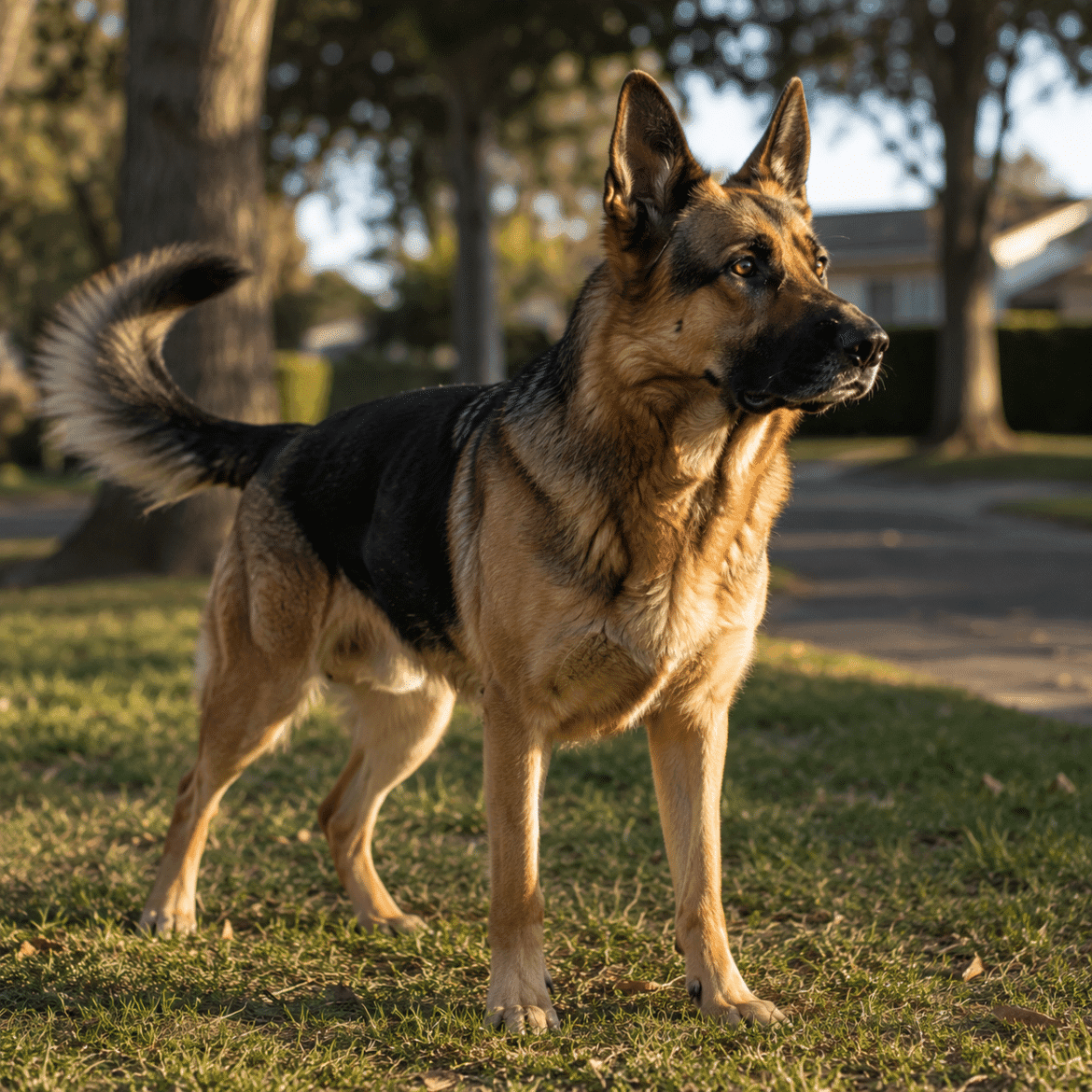
The answer is no.
And I hope you got this one.
A dog’s tail is its communication, so while often a tail wagging means a dog is happy, it is not all the time. Tail positions vary. An upright straight tail, even arching over the back, can mean aggression and it’s best to act with caution. You may also observe your dog’s tail standing horizontally.
This means the dog is curious, may see something you do not. And of course, a tail that is tucked under can mean anything from fear to submission. A dog with a tail tucked under will need some understanding.
Body language with dogs can mean everything from ears up or down, body still or relaxed and that tail is communicating quite a bit, so don’t assume just because it is wagging, the dog is in a happy state.

The answer to this is quite interesting.
Our dog may react to another dog on the TV and get up and bark or whine. Cats may act like they want to catch something on the TV. It makes us wonder if they know what they are seeing. The answer is, according to timespets.com, “Pets do not watch TV the way humans do.
Our eyes read pictures very smoothly. Dogs and cats see at a faster flicker rate. Older TV’s look like flashing lights to them. New HD screens are easier for pets to watch so they now notice more movement and sound.” “The sound on TV also changes how pets act. Dogs have very strong hearing. They can hear pitches that humans miss. A barking sound on the screen may trigger them as if a real dog is nearby.
Cats may react to bird calls or squeaks from TV speakers. Their natural hunting drive makes them jump toward the screen.” “Some experts believe most pets do not think TV is fully real. They may see shapes and hear sounds, but they cannot sniff behind the TV to find the other dog they hear. Cats may paw the screen thinking the bird will fly out. What seems real is movement and noise.
Pets are quick to react to things moving fast or making sharp sounds. A storm on TV may upset a dog who is scared of thunder even though there is not a storm outside. This shows that pets are not fully fooled but they still connect what they sense to past memories.” Dogs and cats all act differently. Personally, I have never had a dog or cat that has reacted to the TV so much that they have engaged with the sounds they hear or movement they have seen. But I know lots of people have. As the experts are saying, they are reacting to the sound or the movement and can be quite entertained with just that.
Well, there you have it. How did you do? It’s always fun to test our knowledge, so I hope you had fun and picked up a few new things, because as I say, knowing is caring.

Hi everyone, and welcome to Val Talk’s Pets, the forum for pet parents and enthusiasts alike. So, I have been working in the pet industry now for almost 10 years and, on a daily basis, I handle a lot of issues and questions arising from pet parents. I am not a veterinarian but I do have certifications in Canine, Feline, Small Animal, Fish and Herptile and Avian Health and Nutrition from the University of California, Davis Extension, the Vet College.

Introduction Hi everyone and thanks for joining me on this episode of Val Talk’s Pets. In the news just recently has been the rescue of 1500 Beagles from Ridglan Farms. […]